 Octunique
Custom collectible figure manufacturing
Turn your character into a collectible figure people can hold, display and collect.
A clear route from original artwork or a 3D file to material selection, physical sample approval and a production-ready figure in resin, PVC or soft vinyl.
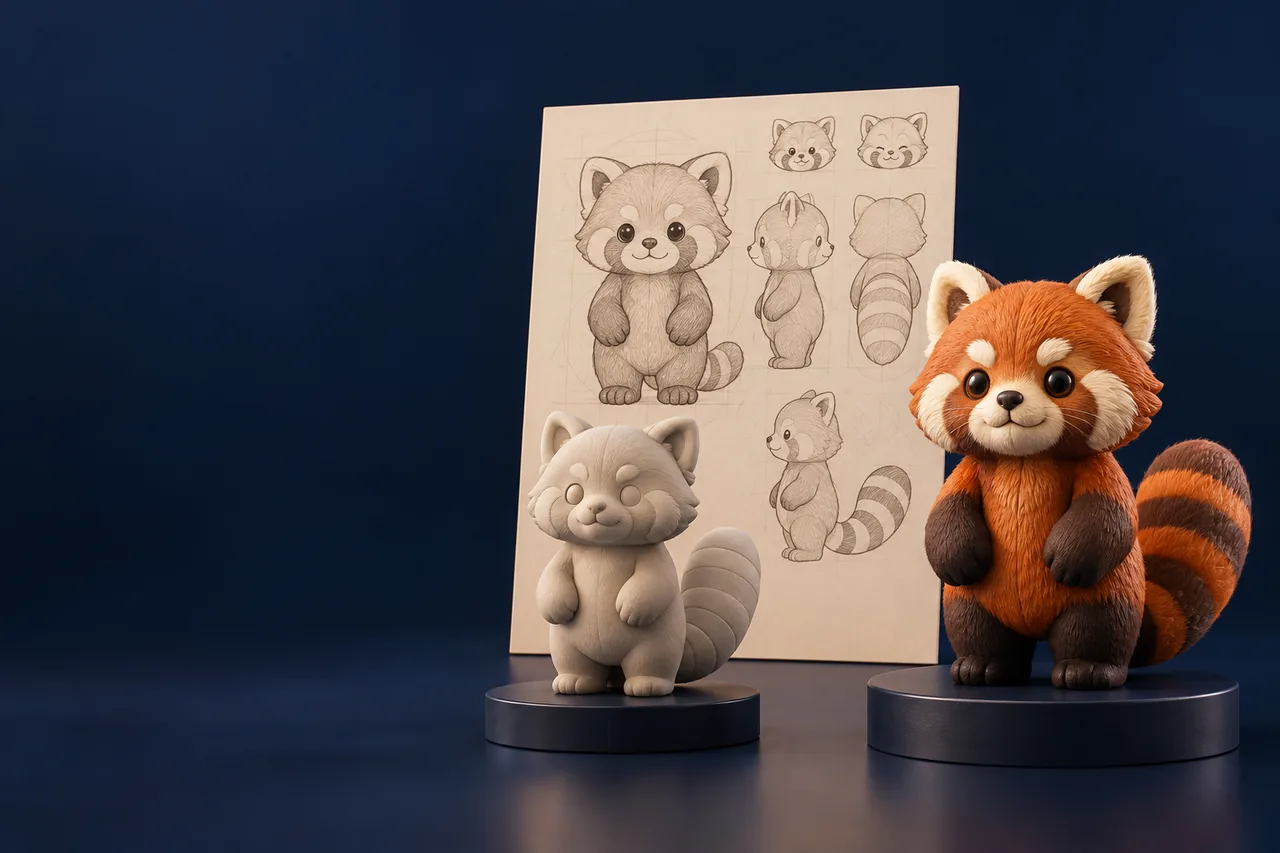
What this guide covers
A collectible figure is developed in stages—not guessed from one image.
A good-looking render is only the beginning. A real figure needs the right material, a workable part breakdown, a physical sample, clear colour and surface decisions, and an approved reference before production begins. You can start with a character drawing, a licensing-ready concept sheet or a finished 3D file.
Step 1
Share your character, intended use and project goal.
Start with the clearest material you have: a character sheet, a 2D illustration, front/side/back views, a sculpture, a 3D file or a concise brief. We first clarify whether the figure is for a one-off presentation sample, limited collectible release, retail merchandise, campaign object or a larger production run.
Tell us the preferred height, pose, target quantity, destination market, desired timing and budget range. Identify any non-negotiable feature—such as a facial expression, oversized head, costume detail, detachable accessory or special surface finish—early in the process.
- Original artwork, sketches, concept sheet or 3D file
- Target size, pose and expected quantity
- Accessories, display base and packaging direction
- Target market, deadline and IP authorization
Step 2
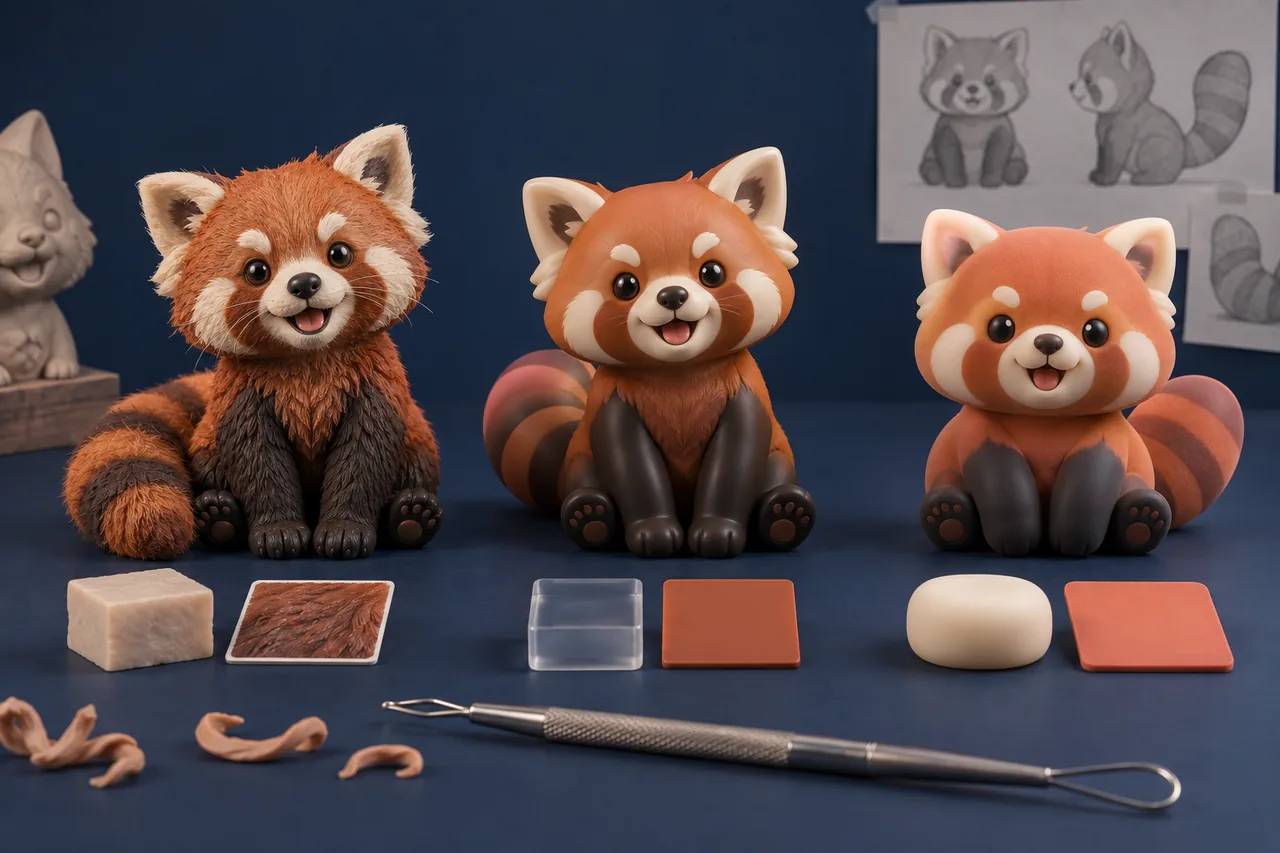
Select the material that fits the design and production plan.
Resin is hard and can suit highly detailed collectible samples and display-oriented pieces. PVC is durable and commonly used for manufactured plastic figures. Soft vinyl is a softer rotocast PVC material often used for rounded designer toys and art-toy forms.
The right choice depends on the figure's shape, size, detail, finish, quantity and intended collector experience—not only on a reference image. Construction, part layout and potential tooling requirements are reviewed before the production route is confirmed.
Material, size, finish, tooling, paint operations, quantity and packaging all affect the final quotation. We confirm the practical route for the actual project rather than assuming a generic figure category.
Step 3
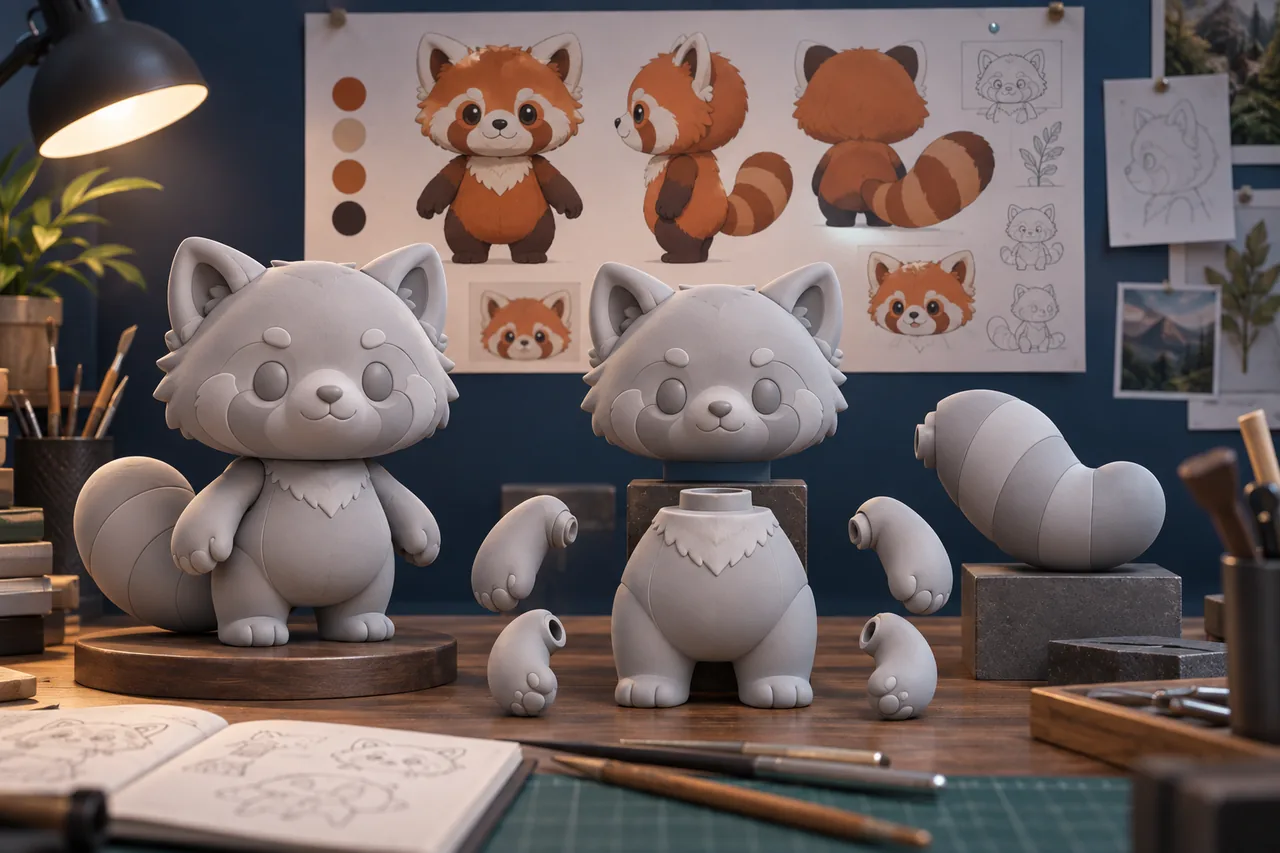
Build the 3D model and plan the part breakdown.
If you have artwork but no model, we can support the move from 2D design to a manufacturable 3D figure. This is where the front, side and back view; overall proportions; pose; centre of gravity; attachment points; seam locations; and separate components are resolved.
A head, body, tail, arm, base or accessory may need to be made as individual pieces. This planning is not only a production concern: it helps preserve the intended silhouette, avoid weak joins and make paint areas easier to control. Supplied 3D files are reviewed for the intended material and production route before sampling.
- Figure dimensions and display base, if needed
- Pose stability and key visual proportions
- Separate parts, connection method and seam locations
- Surface textures, engraving or special effects
Step 4
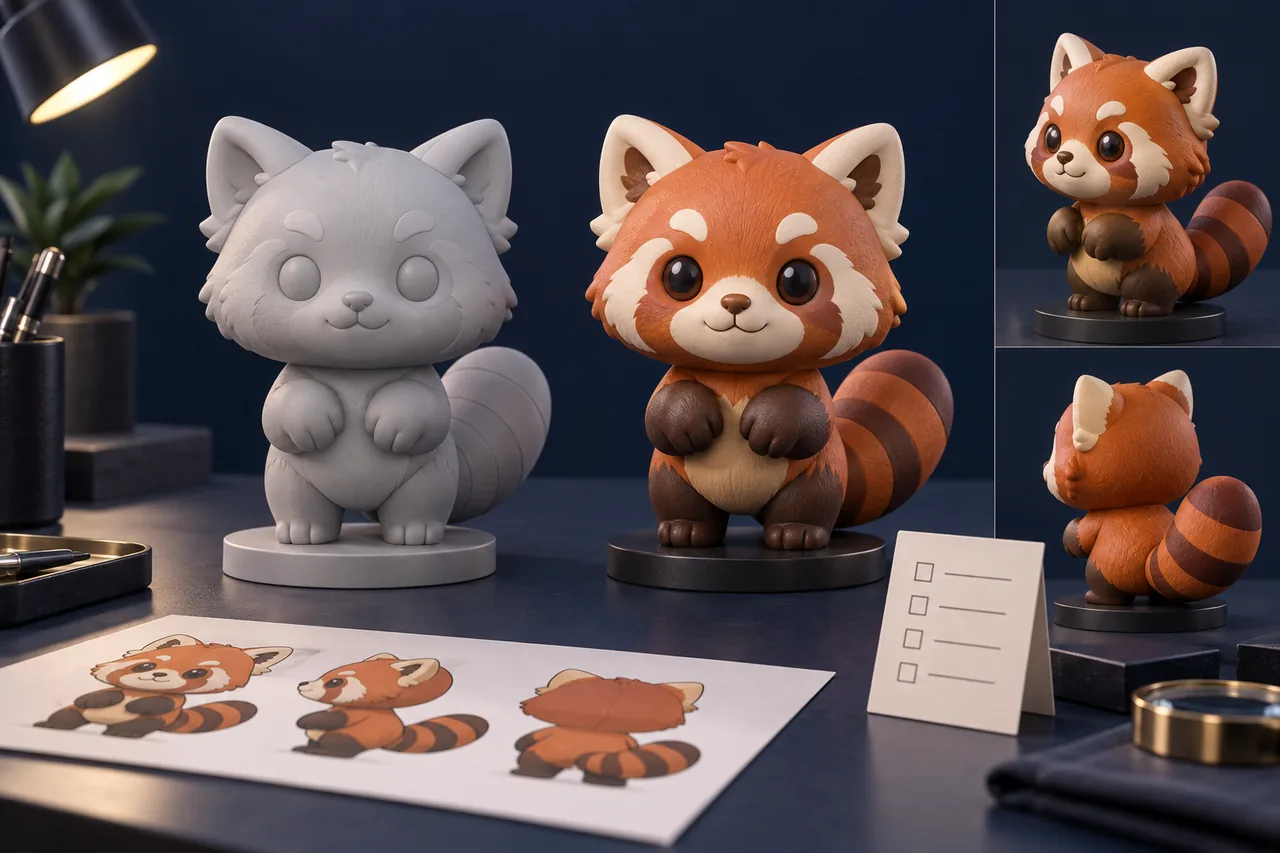
Produce the first physical sample.
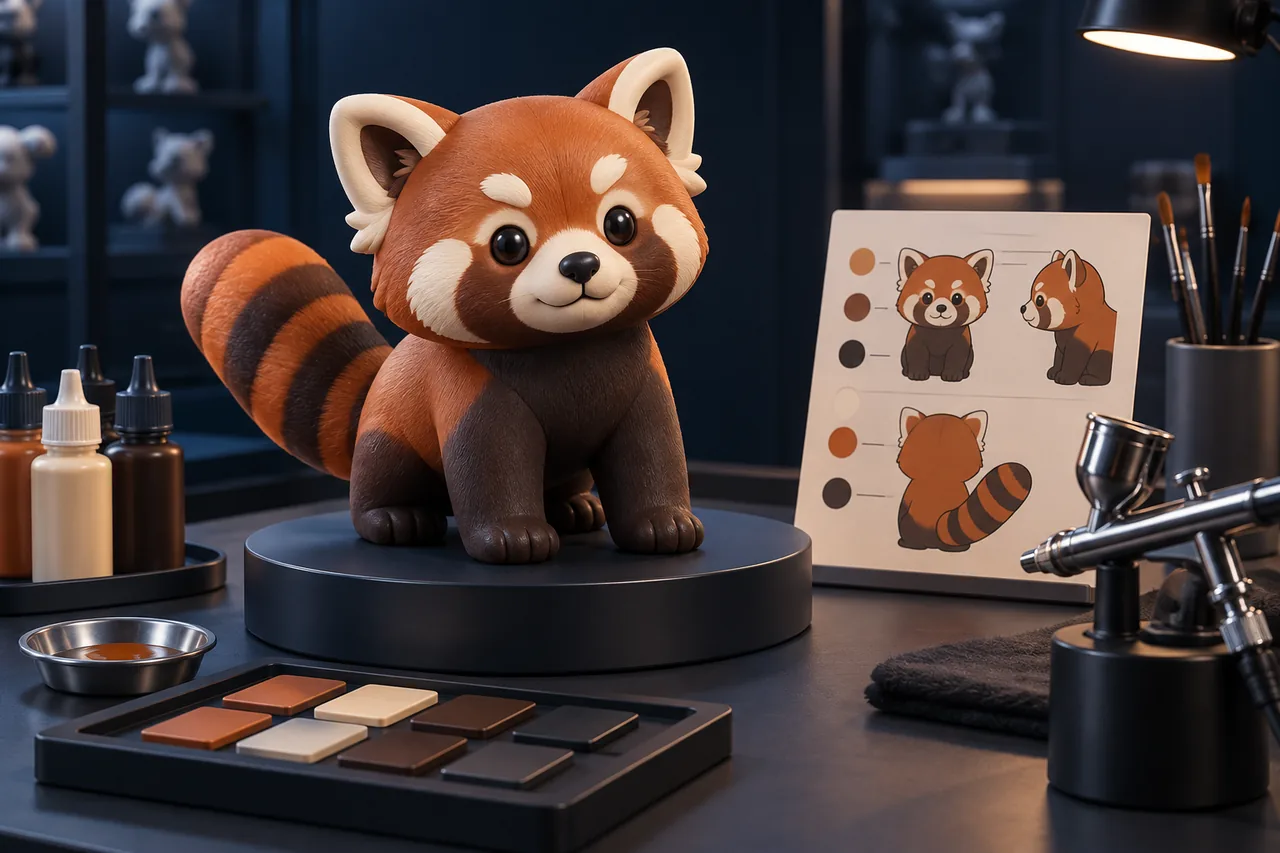
The first sample is where the design becomes an object you can evaluate from every angle. Depending on the material and development route, it may involve 3D printing, hand finishing, sanding, assembly and painting. The sample confirms whether the character reads correctly in real scale and whether the construction supports the intended result.
For collectible-figure projects, sample timing is typically within 10 days once the 3D and specifications are ready, though complex sculpture, painting, accessories and revisions may extend this. A resin-based sample starts from US$417, excluding shipping. A project requiring new 3D modeling and a resin sample starts from about US$556, excluding shipping.
Step 5
Review the sample and approve colours, finish and details.
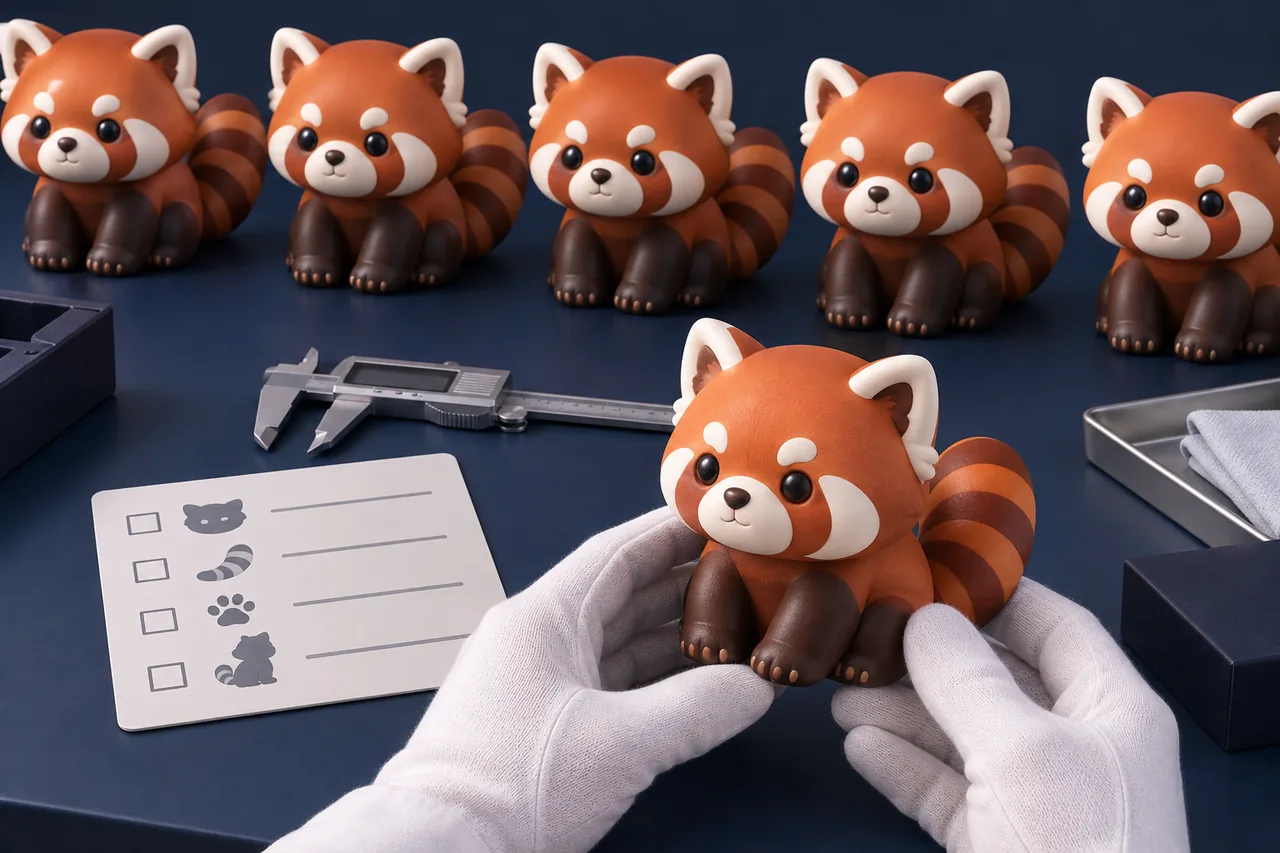
The physical sample is the shared reference for the production version. We review proportions, balance, component assembly, colour placement, paint edges, surface finish, texture, packaging direction and the details that make the character recognizable.
If revisions are needed, we document them before bulk production is scheduled. This avoids turning production into a second design phase. The approved sample and written specification align model, finish and packing expectations across the project.
- Recognition from front, side and back views
- Material, surface finish and texture level
- Paint colours, masking lines and special effects
- Accessory fit, assembly, base and packaging
Step 6
Prepare the approved figure for production, quality review and delivery.
After approval, we confirm the production specification, quantity, packaging and schedule. A typical manufactured figure run starts at 100 pieces. Bulk production often takes around 20–45 days, depending on material, tooling, size, paint operations, component count and factory capacity.
Indicative bulk pricing is from US$13.90–20.83 per piece. This is not a fixed price: material, size, mold or tooling needs, 3D development, paint colours, accessories, packaging, order quantity and logistics all affect the final quotation. Shipping is quoted separately.
Indicative planning points
Use these figures to plan, then request a project-specific quote.
Final cost and timing are confirmed after reviewing material, dimensions, details, quantity, tooling, packaging, quality requirements and destination. We can support projects designed around CE, ASTM, RoHS, EN71 and FCC requirements; required testing, documentation and final certification are confirmed per product and destination market.
Custom collectible figure FAQ
Questions first-time figure buyers often ask.
Can I start with only a character drawing?
Yes. A drawing, character sheet, photo reference or concept can start the discussion. Front, side and back views improve 3D development, but are not required before the first conversation.
Do I need to supply a finished 3D model?
No. You can supply a finished 3D file, or we can support the transition from approved 2D artwork to a manufacturable 3D model. Supplied files are reviewed for the intended material and production route before sampling.
Which material should I choose: resin, PVC or soft vinyl?
Resin often suits detailed collectible samples, PVC is commonly used for durable manufactured figures, and soft vinyl can suit rounded designer-toy forms. The final option depends on the actual shape, size, detail, quantity, finish and budget.
What is included in a figure sample?
A sample is a physical checkpoint for sculpture, scale, assembly, colour and surface decisions. The exact work—such as modeling, prototype preparation, hand finishing, painting and accessories—is confirmed in the project quotation.
Can I revise the sample before production?
Yes. Sample review is the stage for refining proportions, expression, colour, paint boundaries, accessories, base and packaging direction. Production is scheduled after the approved version is confirmed.
Is tooling included in the price?
Not automatically. Tooling, mold requirements, 3D development and special finishes depend on the figure's material, size, part breakdown and order quantity. They are confirmed separately in the project quote.
What is the minimum order quantity?
100 pieces is a typical starting point for a manufactured collectible-figure run. The viable MOQ is confirmed for the specific material, construction and packaging plan.
How long does production take?
The sample stage is typically within 10 days after 3D and specifications are ready. Bulk production is commonly around 20–45 days after approval. Actual timing depends on material, complexity, factory capacity and logistics.
Can you include custom packaging?
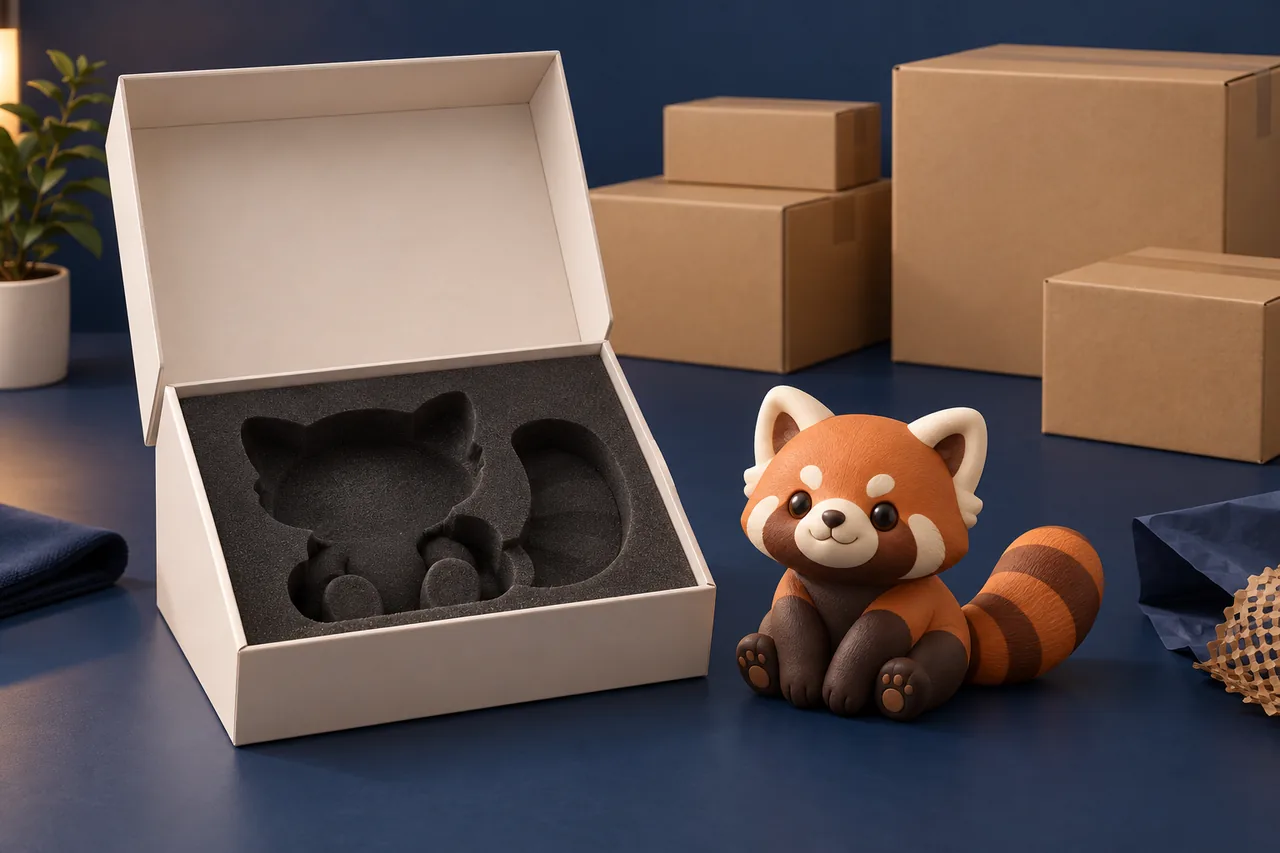
Yes. A display box, foam insert, label, hangtag or carton requirement can be included in the project specification. Packaging affects the final quote, production time and shipping calculation.
Can you help with safety and compliance requirements?
We can support projects designed around CE, ASTM, RoHS, EN71 and FCC requirements. Required testing, documentation and final certification are confirmed for each product and destination market; they are not assumed from a generic product description.
Can you manufacture a licensed or existing character?
We can manufacture from artwork you are authorized to use. You are responsible for confirming that you own or have permission to use submitted characters, images and designs.